A lot of people are not disappointed with democracy itself. They are disappointed with what elections often become: a cycle of big promises, short memory, and weak delivery.
That is the real problem. Elections are supposed to be the moment when citizens choose a direction. But in many places they feel more like a sales campaign. Candidates say what people want to hear, use simple slogans, and promise fast fixes for long-term problems. Then, after winning, they explain why things are harder than they said.
For young people, this hits hard. Many of them grew up watching politicians speak with total confidence and then change their story later. So the message they learn is simple: “They all say the same thing before the vote, then do something else after it.”
That creates a serious global problem. It does not just hurt one party or one leader. It weakens trust in the whole system.
Elections in communist countries
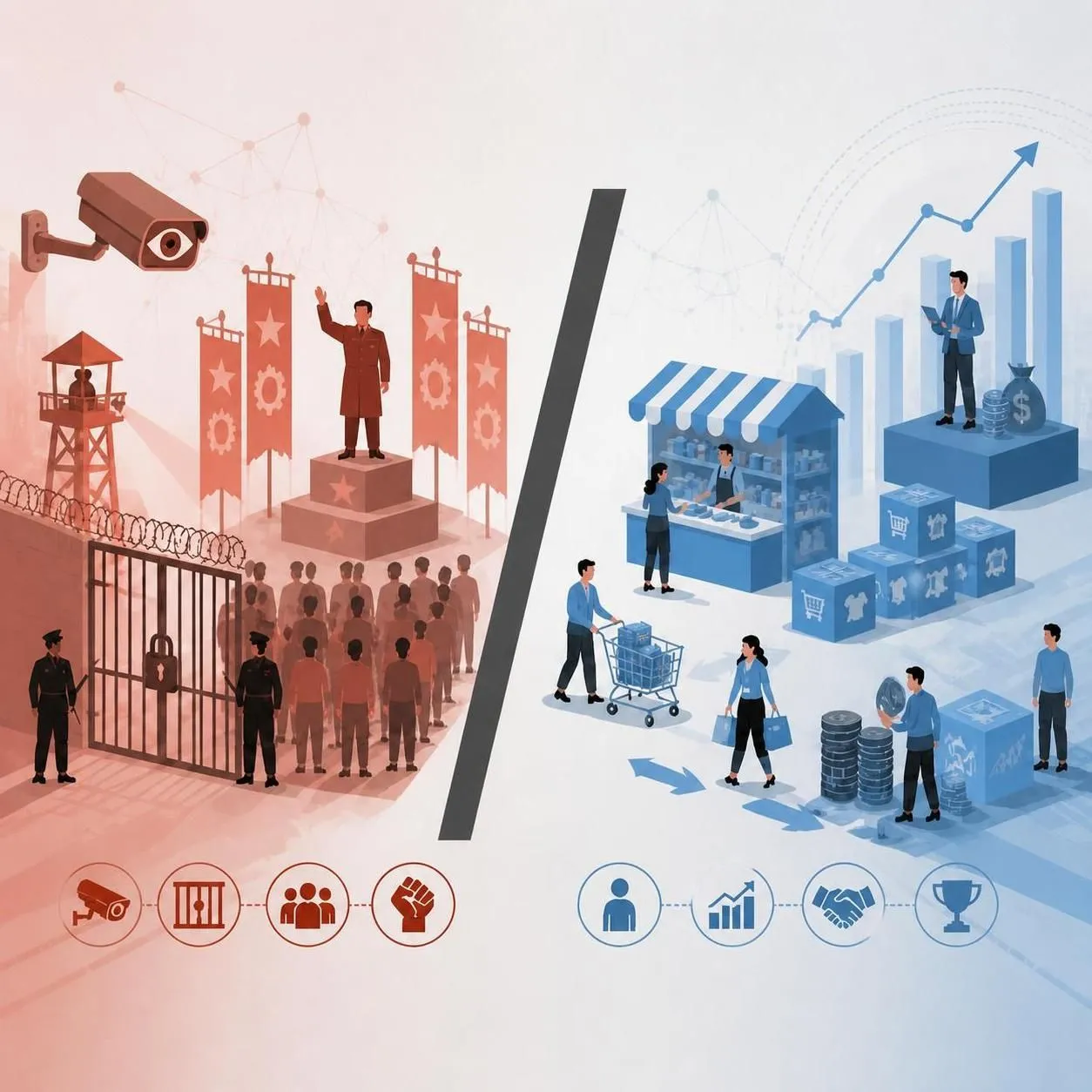
In communist countries, elections often do not work like real competition. Power is usually concentrated in a small group. There may be voting, but people already know the result will not change much.
That is why voter disappointment there looks different. It is not mainly about broken promises after the election. It is more basic than that: people often know, from the start, that the vote is not really going to move power around.
So the before period is weak, and the after period is predictable.
- The campaign is usually controlled.
- Opposing voices are limited.
- Results are known in advance or treated as symbolic.
- Citizens may vote, but many do not expect real change.
This creates a kind of numbness. People stop expecting elections to matter, so they stop feeling the same kind of betrayal that exists in open democracies. The system teaches them not to hope too much.
That is a bad place to be, but it is also a different kind of bad. The problem is not fake choice. The problem is almost no choice.
Elections in democracies: the promise problem
In democracies, the problem is more frustrating because the system looks open. There are different parties, real campaigns, debates, polling, media coverage, and actual transfer of power.
So people expect more.
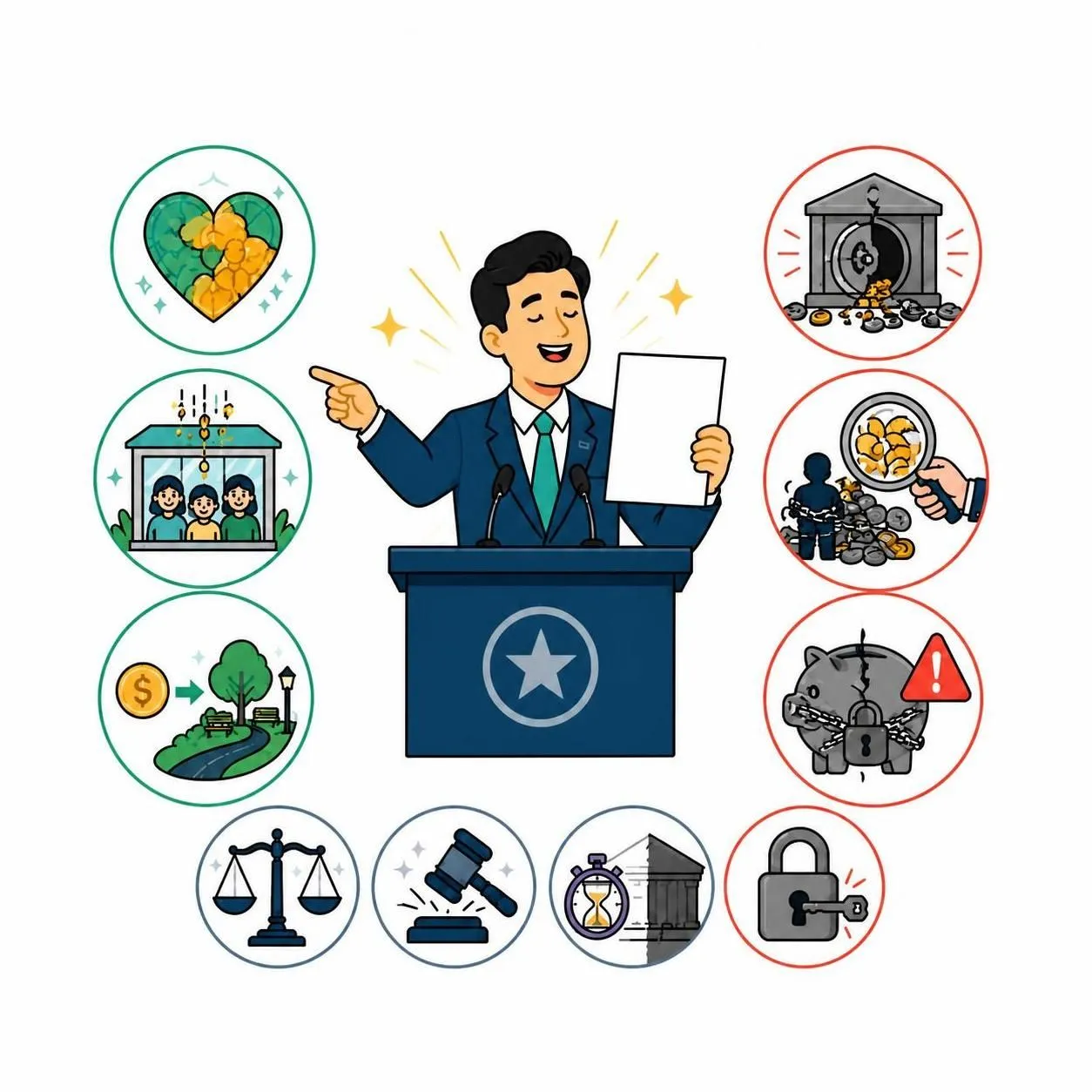
But democratic politics has its own trap: candidates often overpromise because they need votes. They speak as if they can fix crime, inflation, jobs, corruption, education, and public services quickly. They talk like their plan is simple, even when it is not.
Then the after period begins. This is when voters notice:
- promises were vague on purpose
- some pledges were never realistic
- some positions get softened once power arrives
- some leaders blame institutions, courts, Congress, or “the previous government”
- some just stop talking about what they said during the campaign
That is why disappointment in democracies is growing. People do not feel only that leaders fail. They feel that leaders knew they were overselling from day one.
The global disappointment
The same pattern repeats in many countries. The before period is emotional; the after period is technical.
Before elections:
- TV and social media reward strong claims
- candidates sell hope
- voters want to believe
After elections:
- the economy is harder than expected
- crime does not disappear in 30 days
- budgets limit action
- coalitions block change
- leaders start explaining instead of delivering
A lot of people are not demanding perfection. They are asking for honesty. They can accept hard realities if leaders tell the truth early. What they do not forgive easily is the feeling that they were sold a story.
And once voters feel played, they become harder to mobilize next time. Turnout drops. Trust drops. Real debate drops too, because everyone starts assuming the game is fake.
That is why the problem is not just political. It is cultural. It changes how people think about their own voice.
A little light: El Salvador and Argentina
Not every case ends in pure disappointment.
In El Salvador, many voters wanted one thing above all: safety. Bukele made that the center of his image, and the results were visible. Officially reported homicide numbers fell to 1.9 per 100,000 in 2024. That does not erase the criticism around arrests, rights, and concentration of power. But it does explain why many voters saw their main demand answered.
Argentina is another example, but in a different area. People were exhausted by inflation and economic chaos. Under Milei, inflation dropped sharply from the crisis levels seen before his presidency. Argentina ended 2024 with annual inflation of 117.8%, and the rolling 12-month rate had been slowing from an April peak near 300%. Again, this is not a perfect story. There was pain, and many people paid a price. But for voters who wanted a break from endless decline, the change felt real.
These cases matter because they show something important: voters do not hate politics when it works. They hate politics when it talks more than it acts.
Strategies to avoid being disappointed
You cannot remove all disappointment from politics. But you can reduce it.
- If a candidate is only strong on emotion and weak on specifics, be careful.
- Every policy has a price. If no one talks about the cost, they are hiding something.
- Some leaders start strong and fade. Some start slow and then deliver.
- Yes, leaders face limits. But limits do not excuse total silence or total backtracking.
- Do not expect miracles. Do expect honesty and follow-through.
Ask Questions
Because campaign promises are usually bigger than what governments can actually do.
Because social media and TV make promises spread faster, and broken promises stay visible longer.
No. In communist systems, the problem is often that people already know the vote will not change much. In democracies, the problem is that people expect change and do not get it.
Because if they solve the main problem voters care about, people may accept the cost.
Before the election, words are easy. After the election, results are everything.