If you shop for groceries regularly, you’ve probably heard some version of this line: “It’s the supply chain.” Or maybe you’ve seen it in a press release, on a price tag, or in a manager’s half-apology when you ask why a product costs more than it did last month. And look—sometimes they’re not lying. Shipping disruptions, higher fuel costs, labor shortages, or supply shocks can absolutely drive up costs in the short term.
But here’s the criticism that keeps coming back: supermarkets and grocery brands often use supply chain pressure as a blanket explanation that stretches far beyond the moment the “problem” actually resolves. Prices rise. Then, when conditions normalize, prices rarely return to previous levels. The supply chain excuse becomes less a diagnosis of a temporary issue and more a permanent permission slip for higher pricing.
What follows is a practical look at what’s happening, why it sticks, and what it means for real households—especially when the changes are small at first, but relentless over time.
What “supply chain” usually means in grocery pricing
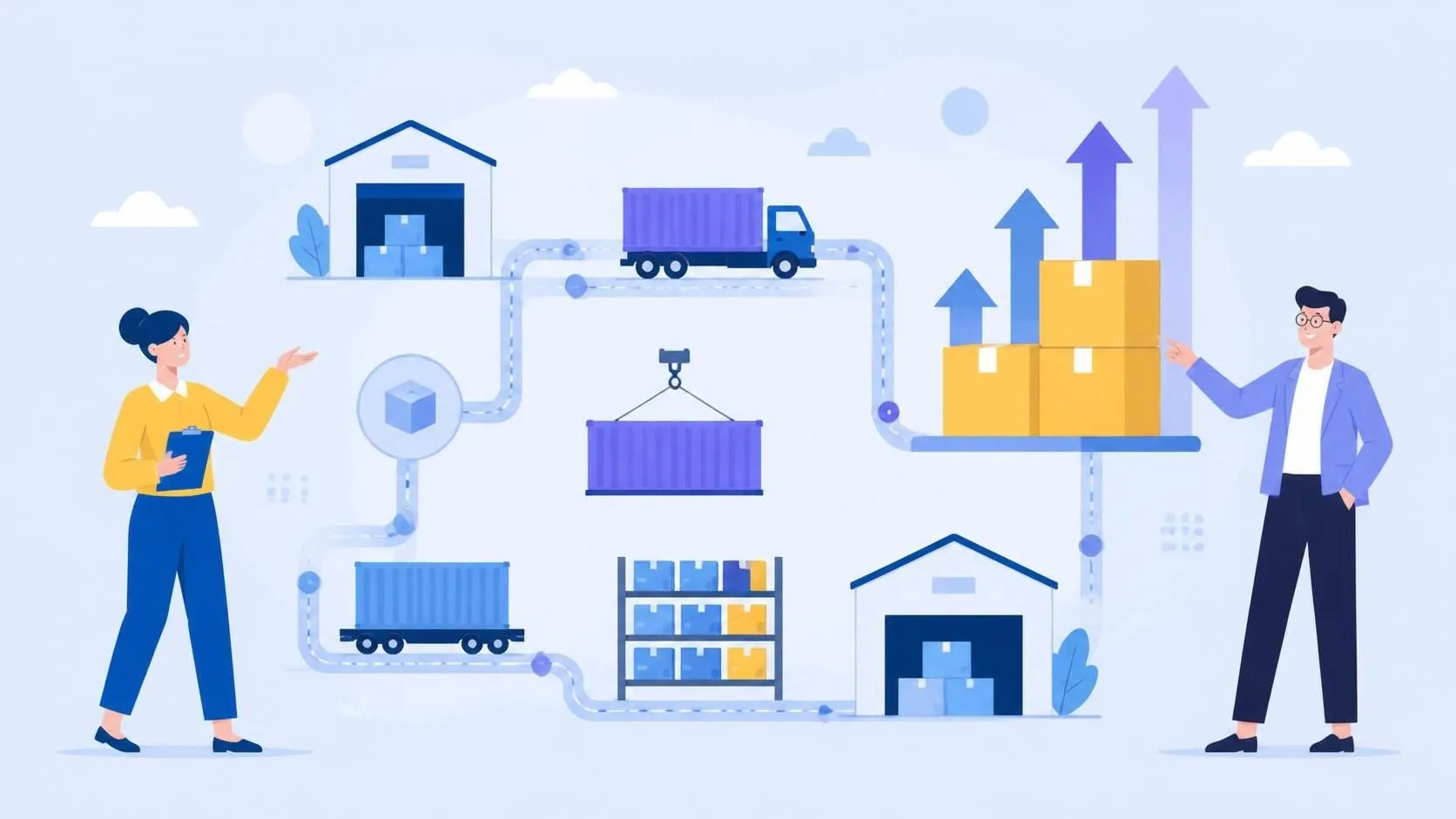
When grocery stores say “supply chain,” they’re usually bundling several cost categories into one convenient phrase:
- Transport and fuel costs (trucks, ships, warehousing fuel)
- Input costs (fertilizer, feed, packaging, processing supplies)
- Labor and logistics (warehouse staff, drivers, seasonal workers)
- Shortages and volatility (less availability, higher auction-like pricing)
- Interest rates and inventory management (companies pay more to finance inventory)
- Currency fluctuations (imports get more expensive when the local currency weakens)
In a world where everything is unstable, it’s reasonable for companies to say: “Our costs went up.” The problem is that this explanation often becomes vague enough to cover nearly any increase indefinitely. The statement is plausible—but the durability of the outcome raises another question: if costs normalize, why don’t prices?
To put it plainly: supply chain stories can explain “why prices jumped.” They often struggle to explain “why prices stayed high.”
Why prices rise (and why that part is often believable)
Let’s start where many critics agree with the grocery industry: prices can jump when the system gets stressed.
Here are common mechanisms that can create real short-term increases:
- Cost pass-through: If a supplier’s raw material or shipping cost jumps, retailers may pass that increase along to consumers quickly.
- Inventory costs and shrink: When businesses can’t reliably predict demand, they might pay more to restock—or they might lose money to spoilage. Those losses often get recouped through pricing.
- Contract renewals: Many food supply agreements run for months. So even if a disruption eases today, the price you see on shelves may reflect the contract terms that started during the disruption.
So far, so good. A skeptical person can still recognize that grocery pricing is messy and delayed.
Where criticism kicks in is what happens after the disruption fades.
The core criticism
My view—shared by a lot of shoppers I know—is that the supply chain excuse often gets used in a way that turns a temporary squeeze into a long-term business model. A few reasons that happens:
“Temporary” is often operationally convenientRetailers and brand owners frequently structure pricing decisions with a mix of caution and leverage. When costs rise, raising prices feels safer than holding margins.
But once consumers adjust (or at least keep buying), the incentive to reverse prices weakens. Even if the specific cost pressure disappears, leaders may think: “We already established the higher price—why reduce it and invite fewer profits and more complaints about margin?”
There’s pricing inertia: it’s easier to increase than to unwindThis is one of the least glamorous but most important realities. Lowering prices can be psychologically and operationally harder than raising them. Companies may worry:
- Promotions and pricing systems were redesigned around the new higher numbers
- Competitors might not lower theirs (so lowering would mean losing market share)
- A lower price would train customers to wait for discounts
- Lowering prices might not even reflect internal cost structures that evolved during the disruption
So supply chain pressure can be the “reason” for the jump, but pricing inertia can be the “reason” it doesn’t go back.
The product mix shifts consumers toward cheaper (not better) optionsEven when companies claim they’re simply passing through costs, the effect on households is often predictable:
- People buy less food.
- People substitute away from premium protein, fruits, vegetables, or supplements.
- People choose ultra-processed or cheaper calorie sources.
Over time, nutrition quality declines. That’s not a moral judgment—it’s economics. And it’s where the supply chain excuse starts to feel like an evasion, because companies are not neutral observers. They manage pricing and assortment decisions.
“Just $0.60” is how price increases become socially invisibleThis is the part that makes me the most frustrated in everyday life: increases are often small individually, but cumulative.
A $0.60 increase on a product sounds trivial—like it shouldn’t matter. But if you buy it weekly, that’s roughly $0.60 × 52 ≈ $31.20 per year for that item
And that’s one item. Most families have multiple items affected.
Add a few of those “small increases,” and it becomes a budget story, not a cents story.
How this affects real families
Here’s where I’ll get personal in a way that matters: when prices rise faster than wages, people don’t just “cut back.” They change their choices, often in the most harmful direction.
A pattern many shoppers describe (and many nutrition-minded folks anticipate) goes like this:
- Protein and nutrient-dense foods become harder to sustain Protein often costs more per calorie or requires planning (fresh options, lean cuts, better sources).
- Families switch to cheaper calories You can stretch a budget with carb-heavy or shelf-stable options that are less filling per nutrient.
- Micronutrient gaps widen Fewer fruits/vegetables and fewer fortified foods can mean weaker iron, vitamin, and fiber intake.
So the supply chain excuse doesn’t just explain a price—it describes a downstream effect: households absorbing shock by sacrificing nutrition.
And when that happens, the phrase “supply chain” starts to feel like a shield rather than an honest explanation. Because at that point, the question becomes: who benefits from the substitution effects?
How to tell the difference between a real supply shock and “excuse pricing”
Not all price rises are fake. Use this practical checklist as you shop:
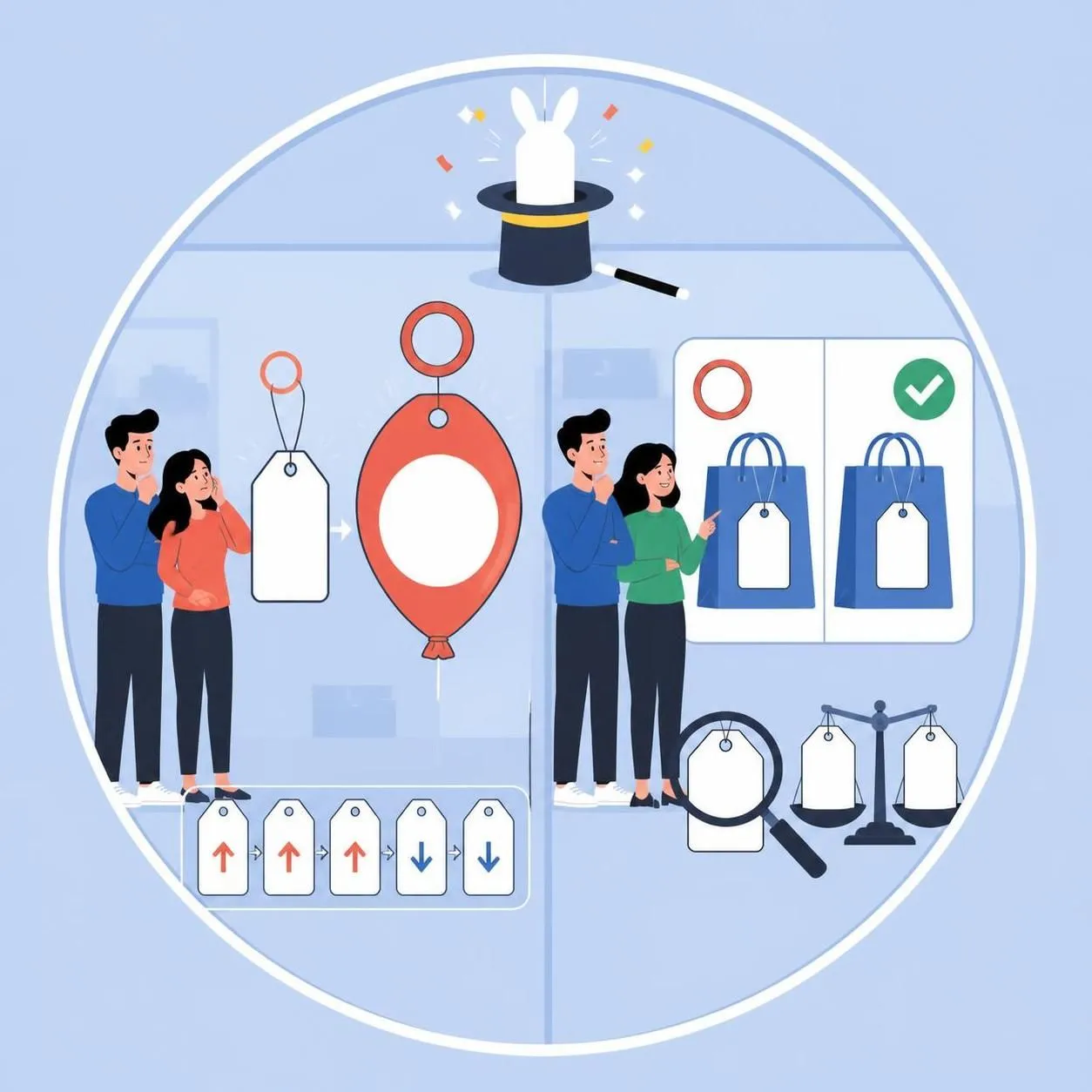
- If prices rise, then stabilize, then fall after a few months: that looks like a temporary shock.
- If prices rise repeatedly in steady increments without meaningful reversals: that looks like something else.
- Stores can change package sizes or reformulate bundles. A product can “look” the same but be priced differently per ounce/gram. If you only glance at the sticker, you miss it.
- If a retailer says “costs remain elevated” yet offers frequent deep discounts, you’re seeing conflicting signals.
- Strategic pricing can allow discounts selectively (to increase traffic) while keeping baseline prices elevated.
- If demand didn’t collapse—meaning people still buy, even at higher prices—stores learn they can sustain higher pricing. That’s not “evil,” it’s incentives. The criticism is that stores understand this and don’t treat normalization as a reason to reverse.
- Food waste is often treated like personal failure, but it’s also partly a planning challenge created by price volatility.
- Only buy what fits your cooking schedule
- Avoid filling your cart with impulse “deal items” that expire before you use them.
What grocery companies could do differently
If the supply chain excuse were purely descriptive, the “good faith” response would be simple: when costs normalize, prices should trend back too.
But critics argue that retailers have more discretion than they admit. Even if suppliers push up costs, retailers decide:
- how to set margins during the disruption
- whether to compete aggressively once costs ease
- whether to use price increases to reduce promo depth and keep baseline prices high
A lot of people feel the “excuse” story implies inevitability—like prices must rise and cannot be controlled. The criticism is that control exists, and that it’s used unevenly.
Ask Questions
No. A shock can raise prices temporarily, but the question is what happens when the shock fades. If input costs, logistics capacity, and fuel costs normalize, then persistent price levels usually reflect more than just supply chain pressure.
They could be, in specific categories or periods. But widespread, sustained increases across many items—especially when consumers still buy—suggest there’s also pricing strategy at work. Losses don’t automatically explain long-term baseline increases.
Inflation plays a role, but “everyone” isn’t the whole story. Inflation doesn’t require identical patterns across categories, and it doesn’t guarantee that prices return after conditions normalize. The criticism focuses on that asymmetry.
Because many retailers adjust pricing incrementally—small changes in multiple SKUs, changes to package sizes, and selective promo depth. Incremental adjustments are easier to sustain and less likely to trigger backlash than one dramatic increase.
Yes—because the frustration isn’t about accepting reality. It’s about noticing when the explanation becomes too convenient, too consistent, and too disconnected from what shoppers experience after “things get better.”